|
|

|
|
View in browser
|
A “Screen Before You Scan” Approach to Pediatric Imaging
09/01/2026
|
|
IT’S TRAUMA TUESDAY is
a Free Weekly Newsletter
Brought to you by
TCAR
Education Programs
|
|
For nurses and other clinicians
practicing anywhere
along the trauma care
spectrum
|
|
|
|
|
|
Take a quick test of your trauma care
knowledge
|

|

|

|
|
|
|
Article of the Week
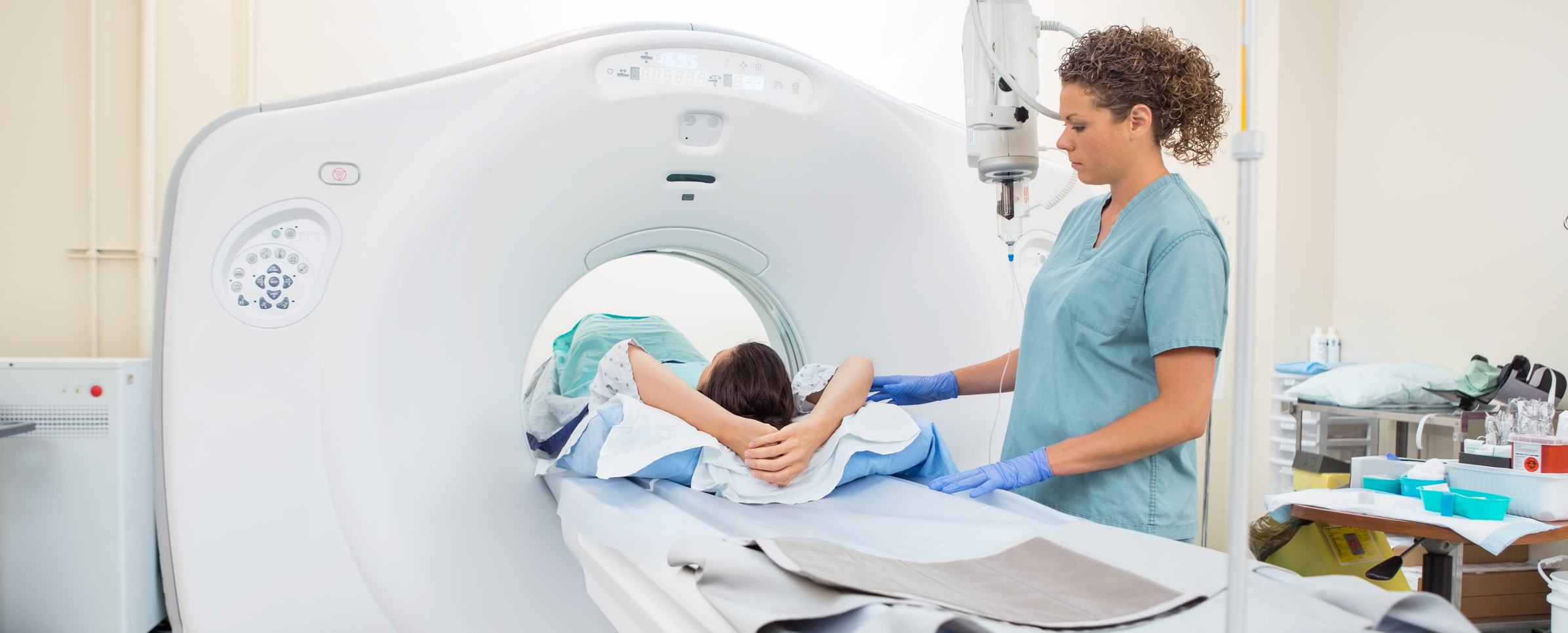
Current Pediatric Trauma Imaging Guidelines: A Review
|
|
|
This 2026 medical review examines how diagnostic imaging can be used safely and effectively in children who have experienced physical trauma. The authors emphasize a “screen before you scan” approach, using careful clinical assessment, observation, and evidence-based tools such as PECARN to determine when CT imaging is truly necessary. For trauma nurses, this underscores the importance of ongoing assessment and recognition of clinical changes that may influence imaging decisions for suspected head, cervical spine, chest, and abdominal injuries. By limiting unnecessary exposure to ionizing radiation while still promptly identifying serious injuries, the recommendations support both immediate trauma care and the child’s long-term safety. Click the link to view the article or watch a short AI-generated article summary (4 min 53 sec).
|
|
|
|
Chiu MZ, Stoeckel A, York J, Dingeldein MW, Yorkgitis BK. Review of current pediatric trauma imaging guidelines. Curr Trauma Rep. 2026;12(1):8.
|
|
|
|
Trauma Happenings
Screen Time Post-Concussion: A Good Thing or a Bad Thing?
|

|
|
For many years, avoiding screen time was promoted as an effective intervention for kids with mild TBI, but this strict approach has been called into question. A study of 80 teens and pre-teens found that moderate screen use (2–4 hours/day) during the first 72 hours after concussion was associated with the fastest symptom recovery, particularly with smartphone use. Both very low and very high screen exposure were linked to slower recovery, whereas computer, tablet, and gaming time showed no clear effect. Although these findings suggest that moderate screen time may be preferable to complete avoidance, the observational study cannot establish cause and effect. Larger studies are needed before changing concussion management guidelines.
|
|
|
|
|

|

|
|
Are You Ready for Some Good News?
|
|
While the price of gas, milk, eggs, and just about everything else continues to go up, up, up, we have some good news! TCAR Education Programs is pleased to announce that there will be no price increase for TCAR or PCAR courses in 2027. You can take that to the bank!
|
|
|
|
|

|
|
|
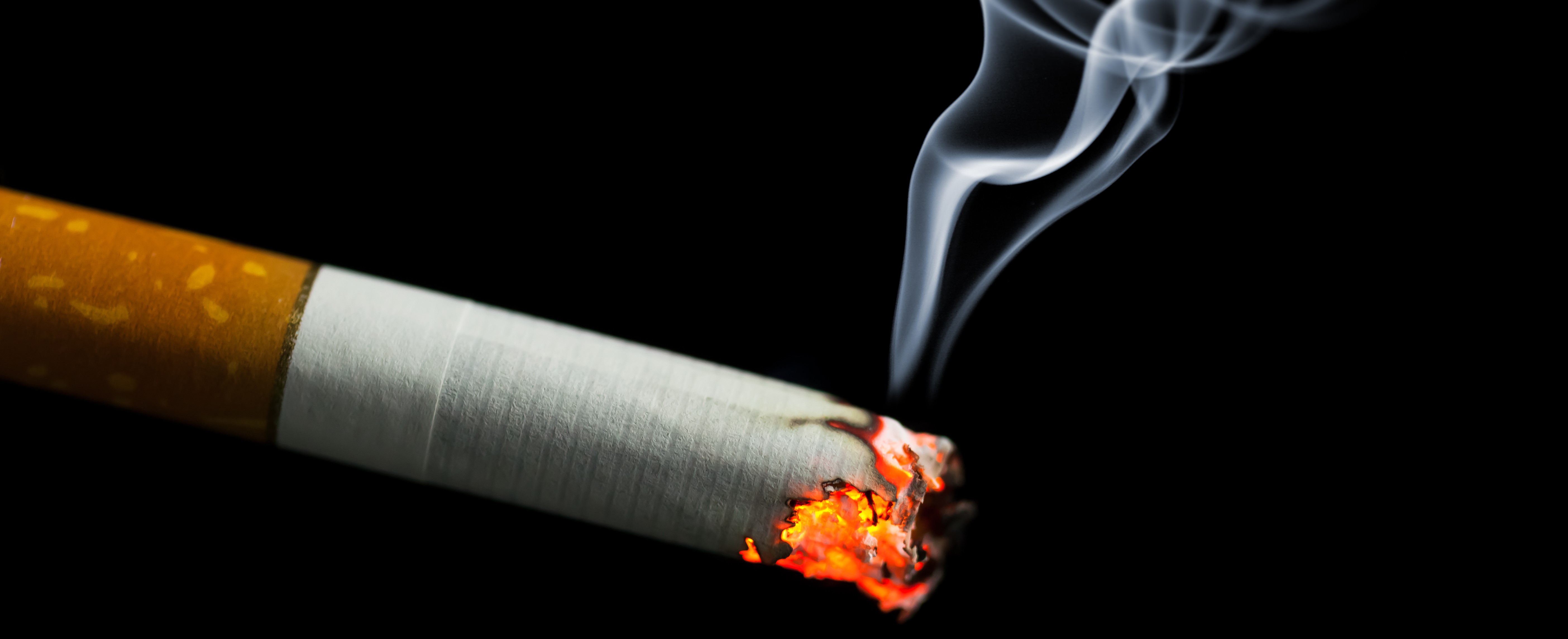
Smoke Enemas: Another Historic Cure Nobody Misses
|
|
Tobacco smoke enemas were once considered a cure for cholera and an effective alternative to opium, another common cholera treatment. The procedure varied, but in some cases a pint of boiling, tobacco-infused water was administered rectally. It was even reported that “hundreds of lives might have been spared by the tobacco enema.”
|
|
|
|
|

|
|
|
|
|
|
Follow Us
Want to join the trauma care conversation?
Follow Us on Facebook, Instagram, and X.
|

|
|
|
|
|

|
|
TCAR
Education Programs
tcarprograms.org
info@tcarprograms.org
Office: (503) 608-4900
International Toll-Free: +1 800-800-2015
|
|
|
|
Copyright © 2026 TCAR Education Programs. All rights reserved.
You are receiving this email because you opted in by purchasing or registering for a
course or subscribing to our newsletter on our website.
Want to change how you receive these emails?
You can
update
your preferences or
unsubscribe
|


