|
|

|
|
View in browser
|
Ultrasound for Extremity Compartment Syndrome?
08/25/2026
|
|
IT’S TRAUMA TUESDAY is
a Free Weekly Newsletter
Brought to you by
TCAR
Education Programs
|
|
For nurses and other clinicians
practicing anywhere
along the trauma care
spectrum
|
|
|
|
|
|
Take a quick test of your trauma care
knowledge
|

|

|

|
|
|
|
Article of the Week
One More Use for the Ultrasound Magic Wand
|
|
|
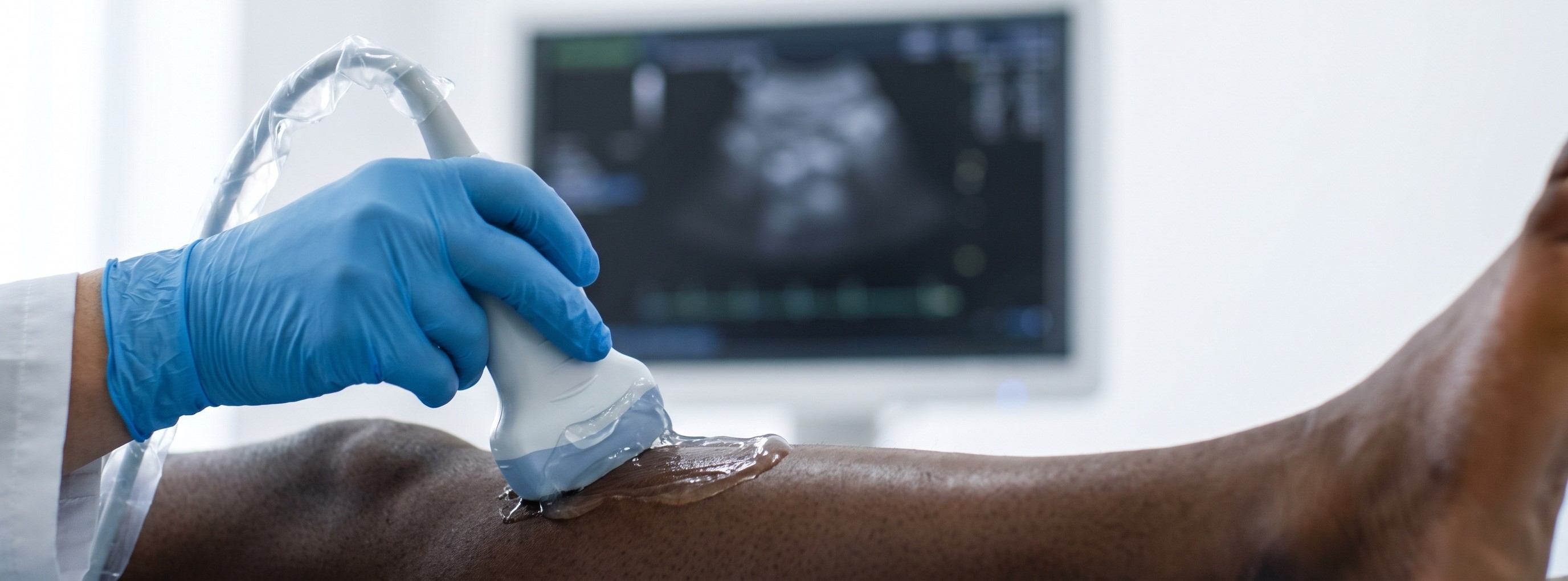
Acute compartment syndrome (ACS) is a surgical emergency notoriously difficult to identify and quantify. Traditionally, diagnosis is primarily clinical, with invasive compartment pressure monitoring when available. However, clinical findings can be unreliable, and invasive pressure measurement carries procedural risks and is often delayed. Moreover, invasive techniques usually measure only a single compartment. Now, ultrasound has increasingly been investigated as a noninvasive diagnostic method for ACS. This review analyzed several promising uses of ultrasound for ACS identification.
Click the link to view the article or watch a short AI-generated article summary (5 min 6 sec).
|
|
|
|
Austin K, Trevino M, Harn B, et al. Ultrasound in acute compartment syndrome of the extremities. Injury. 2026;57(3):113059.
|
|
|
|
Trauma Happenings
SCI: There's So Much More Than Paralysis Going On
|
|
|
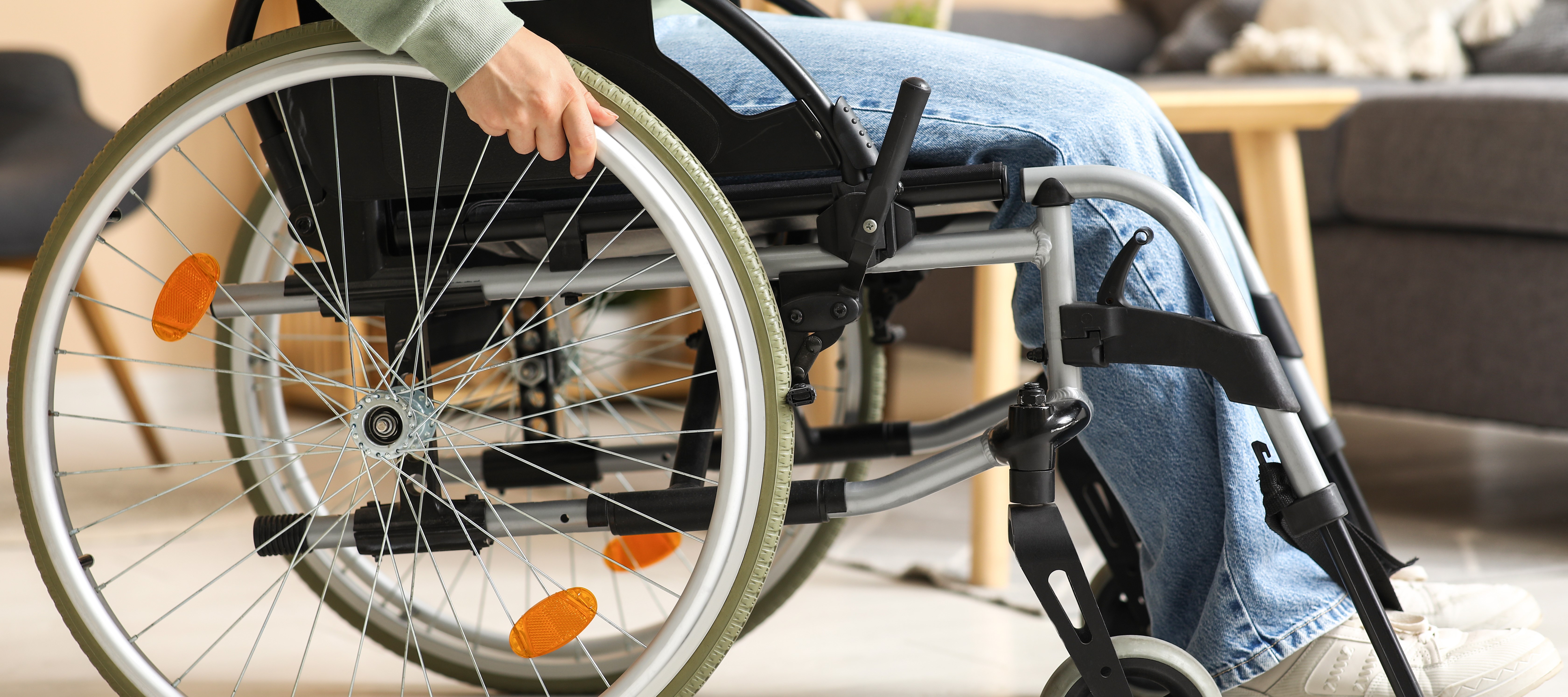
Spinal cord injury (SCI) affects far more than mobility. A recent review describes SCI as a body-wide disorder in which disruption of autonomic, immune, and metabolic pathways can lead to cardiovascular instability, respiratory complications, bladder and bowel dysfunction, muscle wasting, bone loss, insulin resistance, and chronic inflammation. These systemic changes create a cycle that hinders neurological recovery and contributes to long-term complications. For trauma nurses, these findings underscore the importance of comprehensive, phase-specific assessment that extends beyond neurological function. Monitoring cardiopulmonary status, organ function, metabolism, and musculoskeletal health may help identify complications early and support more holistic, proactive care throughout recovery.
|
|
|
|
|

|
|
|
Hot Off the Press: ACS Releases New Level IV Trauma Center Standards
|
|
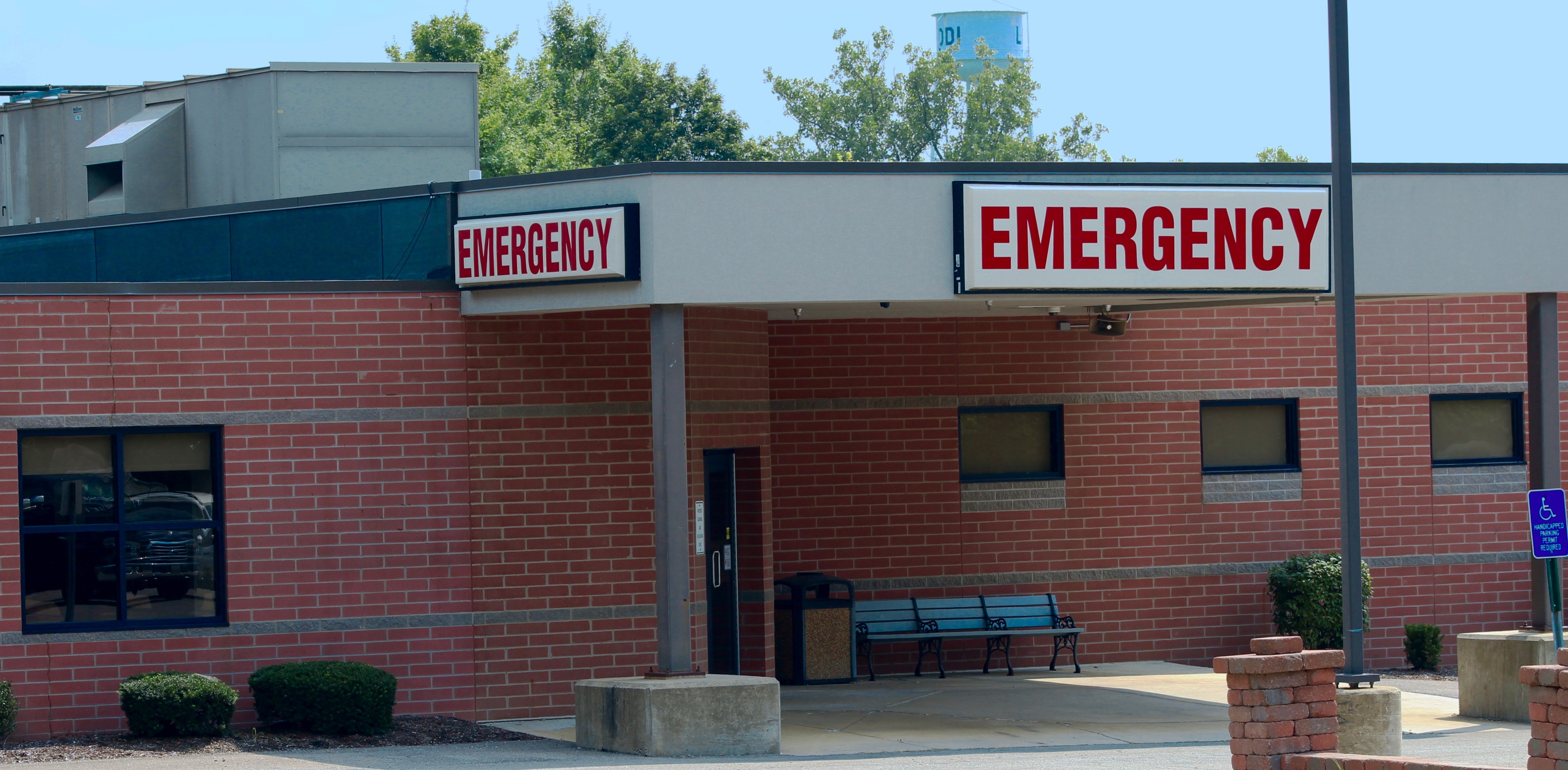
The American College of Surgeons (ACS) Committee on Trauma has just released the long-awaited Resources for Optimal Care of the Injured Patient: Level IV Trauma Center Standards (2026). Until now, Standards have been available only for Level I, II, and III centers. The new Level IV standards are not a verification program but serve as guidance for states and regions developing or updating their own Level IV designation criteria. Notably, both the TCAR and PCAR courses are included in the list of nursing education examples and are the only courses with a post-resuscitation focus. For more information, check out the Trauma System News link below.
|
|
|
|
|

|

|
|
Historic Cures Nobody Misses
|
|
In the 19th century, an Australian hotel offered a treatment where patients spent hours submerged inside a decomposing whale carcass to cure rheumatism. Bet that hotel’s not in business anymore!
|
|
|
|
|

|
|
|
|
|
|
Follow Us
Want to join the trauma care conversation?
Follow Us on Facebook, Instagram, and X.
|

|
|
|
|
|

|
|
TCAR
Education Programs
tcarprograms.org
info@tcarprograms.org
Office: (503) 608-4900
International Toll-Free: +1 800-800-2015
|
|
|
|
Copyright © 2026 TCAR Education Programs. All rights reserved.
You are receiving this email because you opted in by purchasing or registering for a
course or subscribing to our newsletter on our website.
Want to change how you receive these emails?
You can
update
your preferences or
unsubscribe
|


