|
|

|
|
View in browser
|
ABG vs VBG
08/11/2026
|
|
IT’S TRAUMA TUESDAY is
a Free Weekly Newsletter
Brought to you by
TCAR
Education Programs
|
|
For nurses and other clinicians
practicing anywhere
along the trauma care
spectrum
|
|
|
|
|
|
Take a quick test of your trauma care
knowledge
|

|

|

|
|
|
|
Article of the Week
Can VBGs Substitute for ABGs?
|

|
|
Although arterial blood gas (ABG) analysis has long been considered the gold standard of care, don’t overlook the benefits of venous blood gas (VBG) analysis, a less invasive, more patient- and nurse-friendly alternative to ABGs. VBGs correlate well with ABGs for pH, bicarbonate, and base excess, but not for oxygenation, making them useful for initial assessment, ongoing monitoring, and resuscitation guidance while reducing unnecessary arterial sampling. This article argues that current evidence supports using VBGs as a complementary tool for critically ill patients, with further research needed to refine their clinical applications. Click the link to view the article or watch a short AI-generated article summary (5 min 16 sec).
|
|
|
|
Giani D, Santoro MC, Gabrielli M, et al. The Role of Venous Blood Gas Analysis in Critical Care: A Narrative Review. Medicina (Kaunas). Jul 24 2025;61(8).
|
|
|
|
Media of the Month
Another News Day, Another Mass Shooting
|

|
|
When will the bloodshed stop? This month’s featured media is a book titled Bleeding Out: The Devastating Consequences of Urban Violence--and a Bold New Plan for Peace in the Streets, by Thomas Abt, a Harvard scholar and former official in the Obama administration. The author offers practical solutions to the national emergency of urban violence and asserts that we already have all the tools needed to stem violence in our cities through a series of smart-on-crime strategies that do not require new laws or big budgets. Very interesting ideas. Available in Kindle, Hardcover, Audio CD, and Audiobook formats at Amazon and other retailers.
|
|
|
|
|

|
|
|
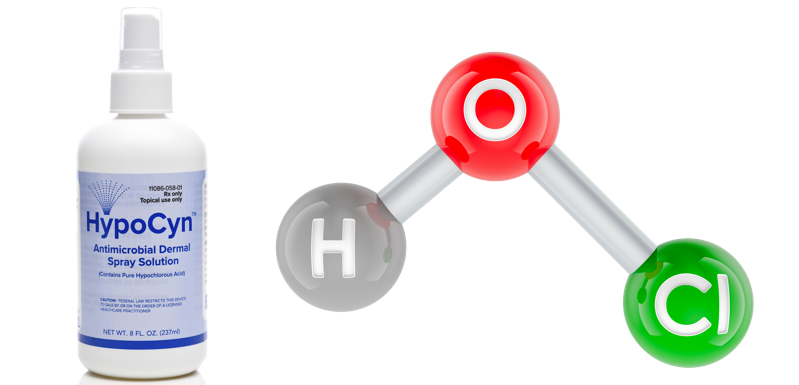
Sodium Hypochlorite vs. Hypochlorous Acid for Wound Care
|
|
Last week’s newsletter addressed the resurgence of Dakin’s solution (sodium hypochlorite, NaOCl). But what is hypochlorous acid (HOCl), which has recently gained popularity in wound care, and how does it differ? The two solutions are closely related, but the key difference is their pH. Dakin’s solution has an alkaline pH, whereas HOCl solutions are near neutral. This allows HOCl to mimic the antimicrobial molecule naturally produced by neutrophils, enabling it to penetrate bacterial cell walls and rapidly kill microorganisms. Think of Dakin’s solution as a stable sodium hypochlorite solution, while modern HOCl products deliver hypochlorous acid directly. As a result, HOCl provides effective broad-spectrum antimicrobial activity with minimal tissue irritation, whereas Dakin’s solution remains an effective, low-cost option for heavily contaminated wounds when chemical debridement is needed.
|
|
|
|
|

|

|
|
How Bad is That Burn? Let’s Ask AI!
|
|
Is that a superficial partial-thickness, deep partial-thickness, or full-thickness burn? Severity classification is an important part of burn care, but visual assessment is subjective and prone to observer variability. What if burn wound photos could be fed into an AI tool for an accurate, objective evaluation? A group of researchers in Mexico has developed just such a tool. It’s not yet ready for prime time, nor commercially available, but it’s an exciting potential new use for AI that could make the lives of burn clinicians much easier in the future.
|
|
|
|
|

|
|
|
|
|
|
Follow Us
Want to join the trauma care conversation?
Follow Us on Facebook, Instagram, and X.
|

|
|
|
|
|

|
|
TCAR
Education Programs
tcarprograms.org
info@tcarprograms.org
Office: (503) 608-4900
International Toll-Free: +1 800-800-2015
|
|
|
|
Copyright © 2026 TCAR Education Programs. All rights reserved.
You are receiving this email because you opted in by purchasing or registering for a
course or subscribing to our newsletter on our website.
Want to change how you receive these emails?
You can
update
your preferences or
unsubscribe
|


