|
|

|
|
View in browser
|
POCUS for Rib Fracture Diagnosis
07/21/2026
|
|
IT’S TRAUMA TUESDAY is
a Free Weekly Newsletter
Brought to you by
TCAR
Education Programs
|
|
For nurses and other clinicians
practicing anywhere
along the trauma care
spectrum
|
|
|
|
|
|
Take a quick test of your trauma care
knowledge
|

|

|

|
|
|
|
Article of the Week
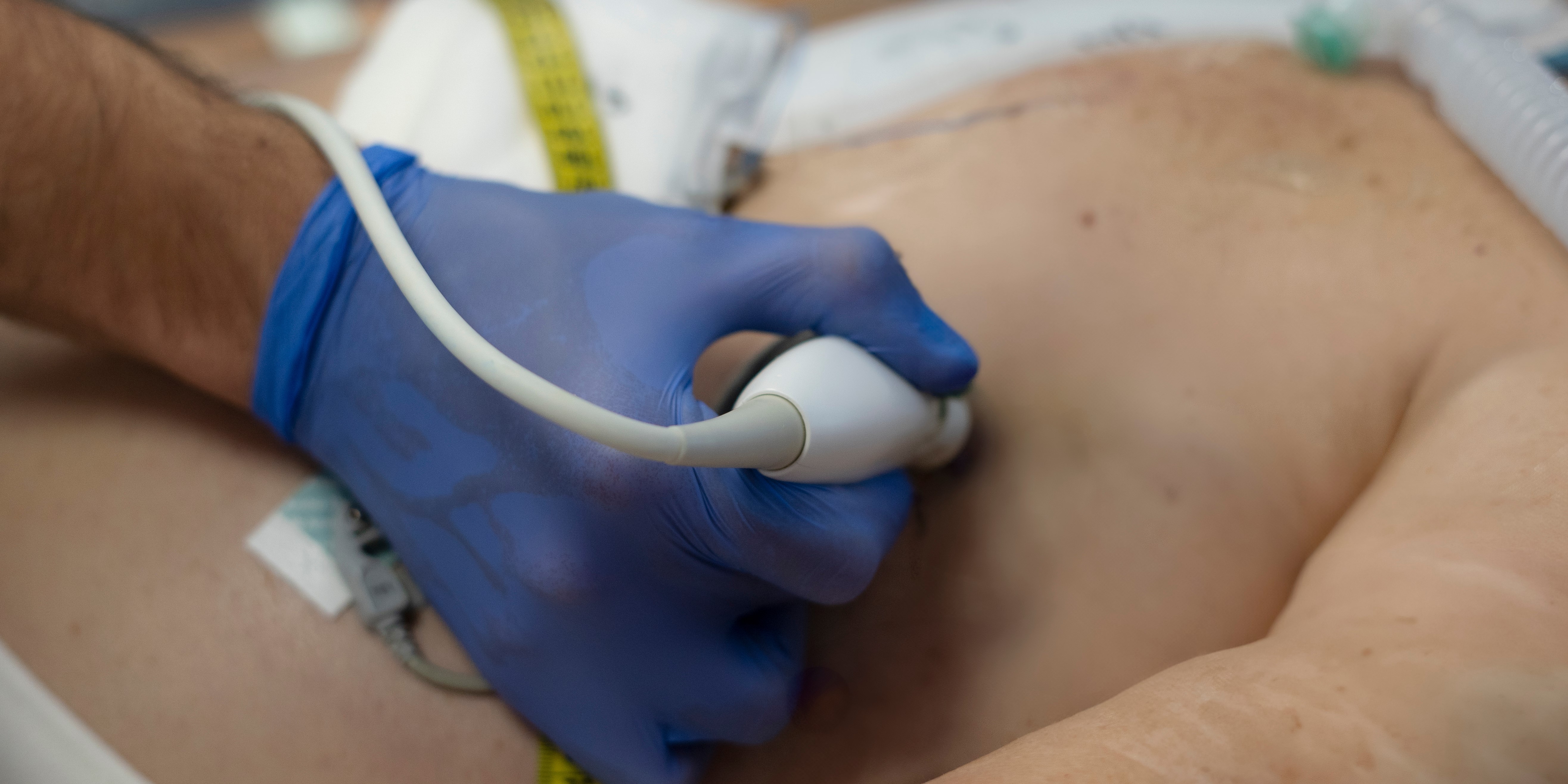
Ultrasound for Rib Fractures?
|
|
|
This review highlights point-of-care ultrasound (POCUS) as a valuable tool for trauma and emergency nurses caring for patients with suspected rib fractures. Compared with standard X-rays, POCUS may identify rib fractures more accurately, especially smaller or non-displaced injuries, and enables rapid bedside assessment without exposing patients to radiation. The article also notes that ultrasound can support pain management by guiding nerve blocks and monitoring healing over time. Although the practice may not be practical in all patient situations, the authors conclude that POCUS is an important complement to CT imaging and may improve diagnostic efficiency and patient care when incorporated into trauma protocols. Click the link to view the article or watch a short AI-generated article summary (4 min 48 sec).
|
|
|
|
Abu-Zidan FM, Alao DO, Cevik AA. Point-of-care ultrasound (POCUS) diagnosis of rib fractures. World J Emerg Surg. 2025;21(1):1.
|
|
|
|
Trauma Happenings
Can Gabapentin Improve Brain Injury Outcomes?
|

|
|
According to a large retrospective study, gabapentin may reduce cognitive impairment and mortality after traumatic brain injury. Among patients with mild TBI, those who received gabapentin had a 22% lower risk of developing durable cognitive impairment. In patients with severe TBI, gabapentin use was associated with a 46% lower risk of death at 2 years. While promising, these findings are observational and will require rigorous investigation before widespread implementation. Read more in this article from Medscape. Click the link below.
|
|
|
|
|

|
|
|
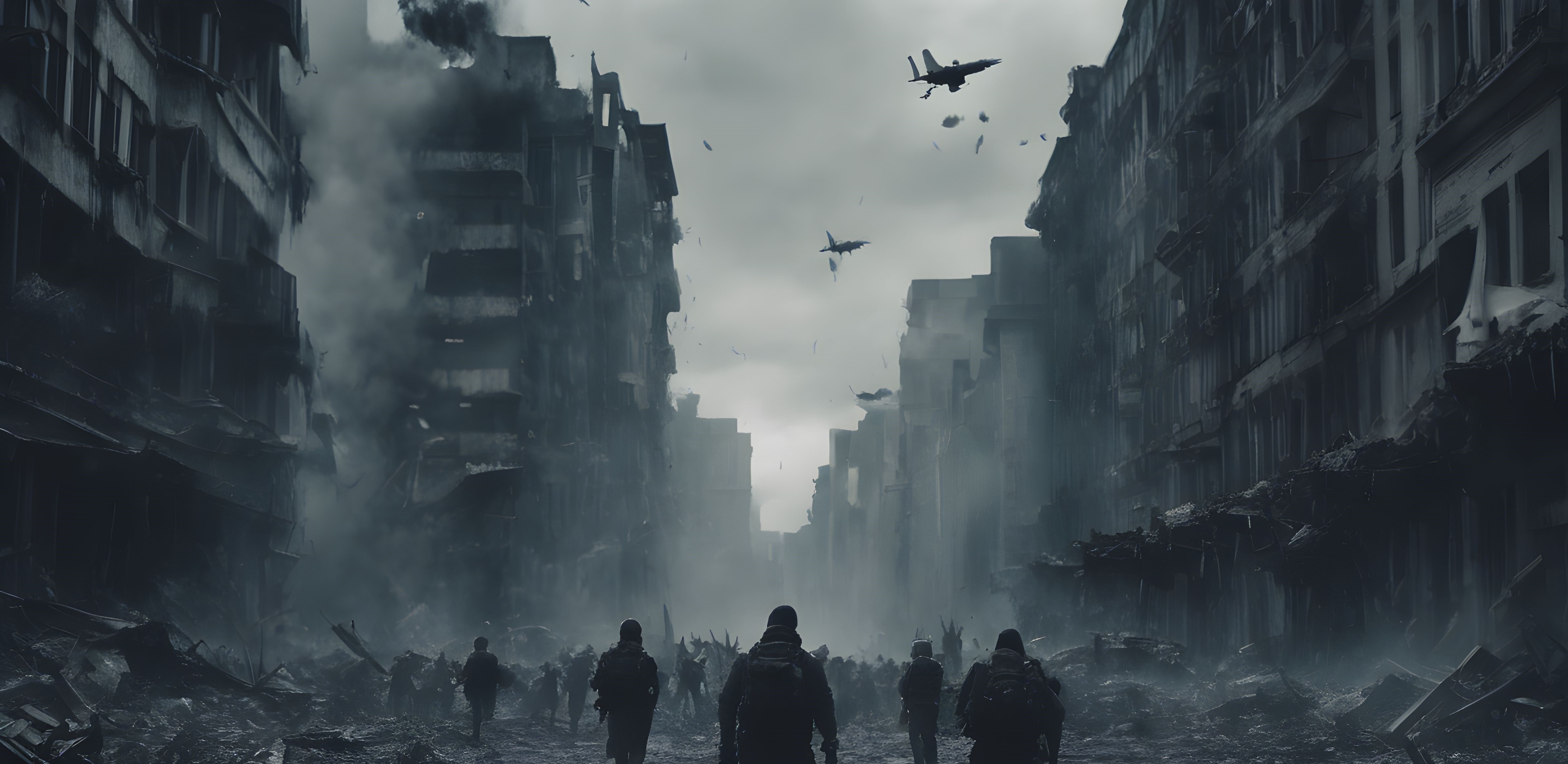
LSCO: Are You Ready?
|
|
Are you familiar with the term “LSCO”? If not, prepare to hear a lot more about it in the coming months and years. LSCO (usually pronounced LiSCO) stands for Large-Scale Combat Operations. It's a military term for intense, large-scale warfare against peer or near-peer adversaries (i.e., nation-states), such as China or Russia. How does this concern trauma nurses? Both the US and Canada (and probably several other countries) are seriously considering how to scale up their medical capacity in the event of an LCSO. Military healthcare personnel will need training to provide prolonged care (not just combat casualty care) to the injured. Moreover, in a LSCO event, civilian hospitals and medical personnel will also be called upon to care for the masses of injured. The knowledge you gained in a TCAR or PCAR course will prepare you to step up to the challenge. Click to link to Army Medicine’s Critical Role in Large-Scale Combat Operations.
|
|
|
|
|

|
|
|
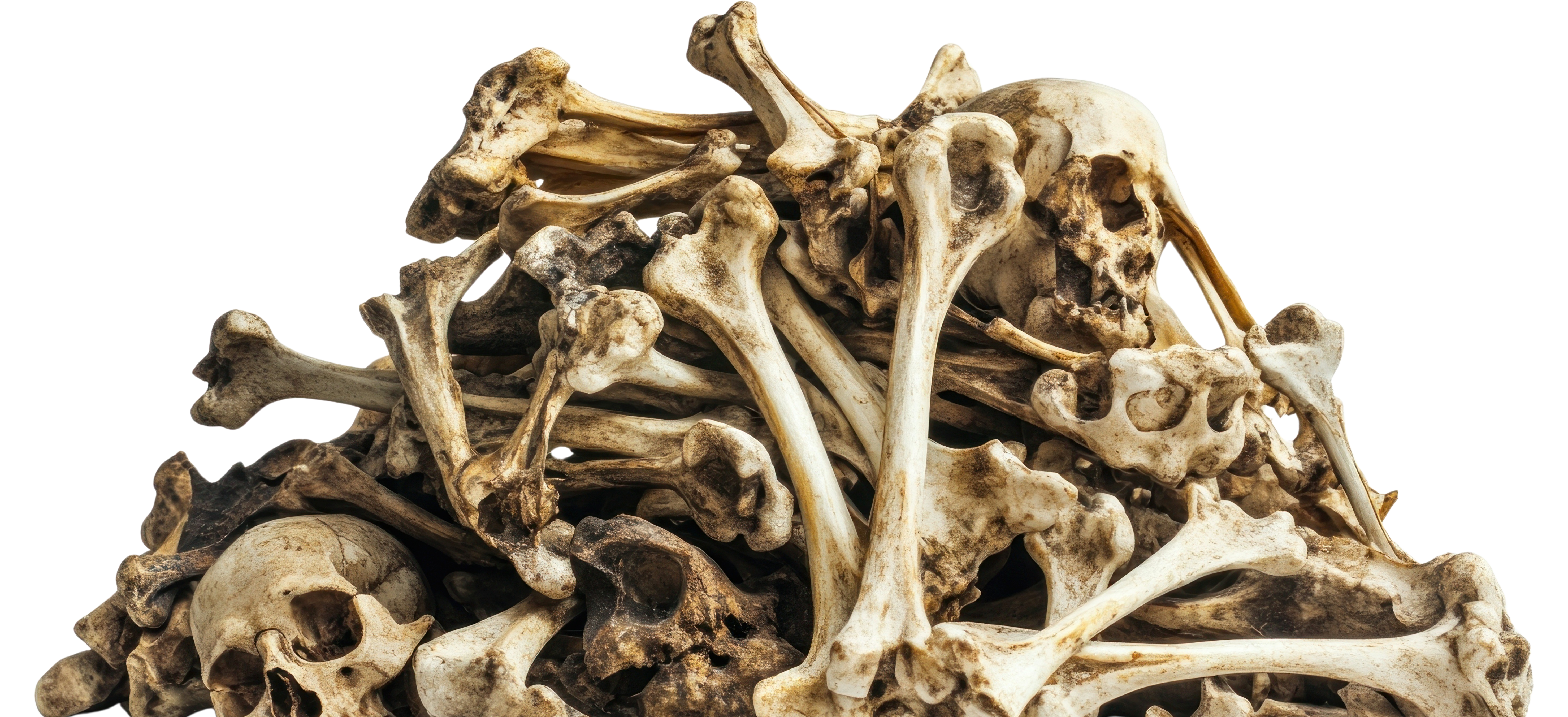
What Body Part Contains 25% of All Your Bones?
|
|
Is it the thorax? The skull? The spine? The pelvis? Nope, it’s your feet! One-quarter of the bones in the human body are in the feet. Each foot has 26 bones and 33 joints, for a grand total of 52 bones. Did you miss that fun fact in anatomy class?
|
|
|
|
|

|
|
|
|
|
|
Follow Us
Want to join the trauma care conversation?
Follow Us on Facebook, Instagram, and X.
|

|
|
|
|
|

|
|
TCAR
Education Programs
tcarprograms.org
info@tcarprograms.org
Office: (503) 608-4900
International Toll-Free: +1 800-800-2015
|
|
|
|
Copyright © 2026 TCAR Education Programs. All rights reserved.
You are receiving this email because you opted in by purchasing or registering for a
course or subscribing to our newsletter on our website.
Want to change how you receive these emails?
You can
update
your preferences or
unsubscribe
|


