|
|

|
|
View in browser
|
Whole Blood Transfusion in Injured Kids
06/02/2026
|
|
IT’S TRAUMA TUESDAY is
a Free Weekly Newsletter
Brought to you by
TCAR
Education Programs
|
|
For nurses and other clinicians
practicing anywhere
along the trauma care
spectrum
|
|
|
|
|
|
Take a quick test of your trauma care
knowledge
|

|

|

|
|
|
|
Article of the Week
It's Good for Adults, But What About Children?
|
|
|
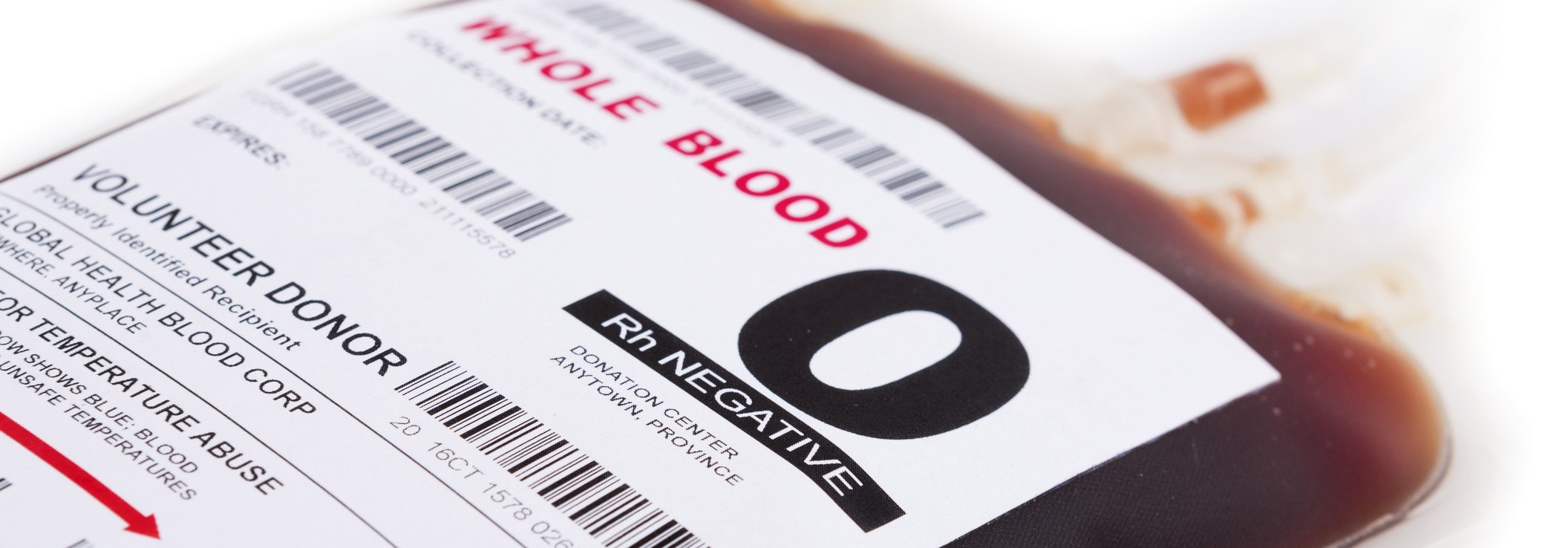
The key takeaway from this week's study is that pediatric trauma patients who received low-titer group O whole blood within hours of hospital arrival were LESS likely to develop organ dysfunction than those who received standard (1:1:1) blood component therapy. Current transfusion guidelines are largely based on data from adult patients. However, the findings in this study support a shift in practice toward early use of whole blood in pediatric trauma care. Click the link to view the article or watch a short AI-generated article summary (3 min 51 sec).
|
|
|
|
Feeney E, Morgan KM, Furman L, Gaines BA, Leeper C. Whole blood resuscitation is associated with decreased end-organ dysfunction in pediatric trauma patients. J Trauma Acute Care Surg. 2026;100(2):221-226.
|
|
|
|
Trauma Happenings
June is National Gun Violence Awareness Month
|

|
|
Many trauma nurses are all too familiar with the burden of gun violence in the U.S. According to the CDC, 44,447 people died from gun-related injuries in 2024, the most recent year with complete data. This number includes firearm homicides, suicides, and accidental injuries. Moreover, hospitals (generally considered secure and trusted care settings) are not immune to gun violence. From 2000 to 2024, hospital-based shootings rose from 6 to 34 events per year, an alarming 6.4% annual increase. These data underscore the need for hospital-specific prevention strategies, including consideration of weapons screening, alongside broader societal and community efforts to address rising firearm violence. Read more in this article from Medpage Today. Click the link below.
|
|
|
|
|

|
|
|
Where in the World is TEP?
|
|
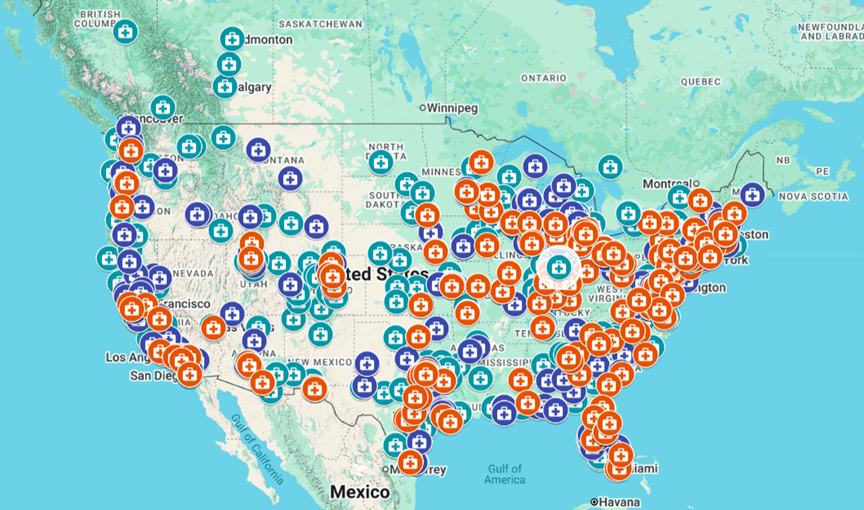
TCAR Education Programs (TEP) courses have been offered by more than 400 organizations in the U.S. and around the world. Check out this interactive map to view TEP site locations. Is your hospital a TCAR/PCAR training site?
|
|
|
|
|

|

|
|
I’m Clear, You’re Clear, All Clear for AED Delivery . . . By Drone?
|
|
Researchers at Duke Health are piloting the first U.S. program to deliver automated external defibrillators (AEDs) via drone in response to 911 calls in North Carolina. The initiative aims to reduce response times for out-of-hospital cardiac arrests, during which survival rates can improve dramatically if defibrillation occurs within the first few minutes. Drone operators dispatch AEDs directly to emergency scenes while first responders are en route, enabling bystanders to begin lifesaving care sooner. If the project demonstrates improved patient outcomes, it could pave the way for expanded drone delivery of other time-sensitive emergency supplies. Click the link to read more about it in this article from Duke TODAY.
|
|
|
|
|

|
|
|
|
|
|
Follow Us
Want to join the trauma care conversation?
Follow Us on Facebook, Instagram, and X.
|

|
|
|
|
|

|
|
TCAR
Education Programs
tcarprograms.org
info@tcarprograms.org
Office: (503) 608-4900
International Toll-Free: +1 800-800-2015
|
|
|
|
Copyright © 2026 TCAR Education Programs. All rights reserved.
You are receiving this email because you opted in by purchasing or registering for a
course or subscribing to our newsletter on our website.
Want to change how you receive these emails?
You can
update
your preferences or
unsubscribe
|


