|
|

|
|
View in browser
|
Hormonal Exhaustion in Hemorrhagic Shock
03/10/2026
|
|
IT’S TRAUMA TUESDAY is
a Free Weekly Newsletter
Brought to you by
TCAR
Education Programs
|
|
For nurses and other clinicians
practicing anywhere
along the trauma care
spectrum
|
|
|
|
|
|
Take a quick test of your trauma care
knowledge
|

|

|

|
|
|
|
Article of the Week
Hormonal Response to Hemorrhage After Severe Trauma
|
|
|
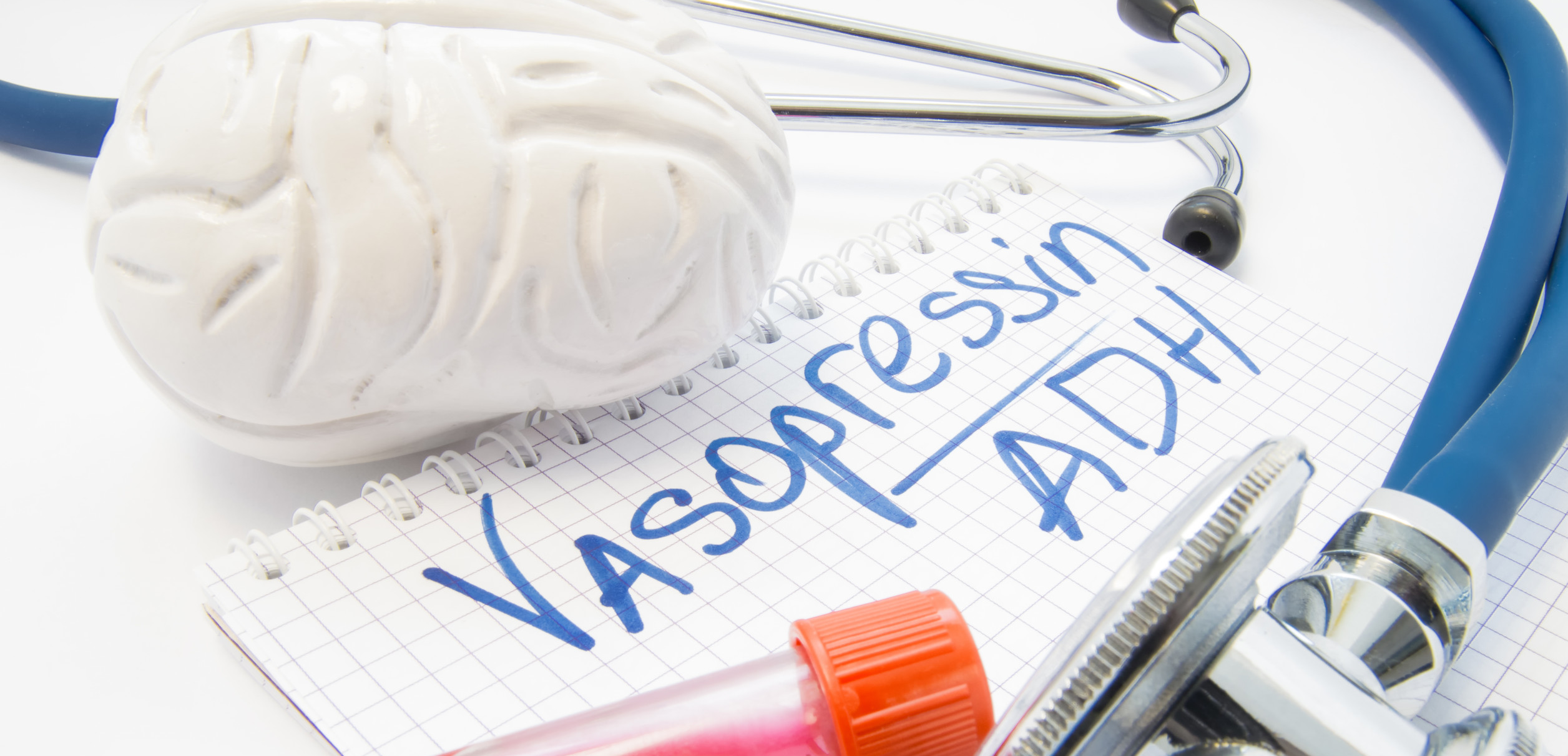
Persistent hypotension after hemorrhage control may not only be due to volume loss; it could also indicate a hormonal imbalance. The authors of this article investigated disruptions in three major hormone systems following severe hemorrhage: vasopressin, the adrenal stress response, and the renin-angiotensin-aldosterone system. They found that despite an initial surge of compensatory hormones, these hormones become exhausted within 48 hours and can lead to prolonged hypotension. Continuous monitoring of hemodynamics, urine output, and response to vasopressors remains crucial for bedside care providers. The study indicates that targeted therapies, such as supplemental vasopressin or angiotensin II, may benefit patients who remain unstable despite standard resuscitation. Although further research is necessary, this article highlights the importance of diligent reassessment of resuscitation efforts and early communication with the trauma team when patients do not respond as anticipated during recovery from hemorrhagic shock. Click the link to view the article or watch a short AI-generated article summary (4 min 31 sec).
|
|
|
|
Werner M, Joulia H, Pussard E, et al. Hormonal response following hemorrhage after severe trauma: an observational prospective study. Crit Care. 2025;30(1):14.
|
|
|
|
Media of the Month
Surviving the ICU
|
|
|
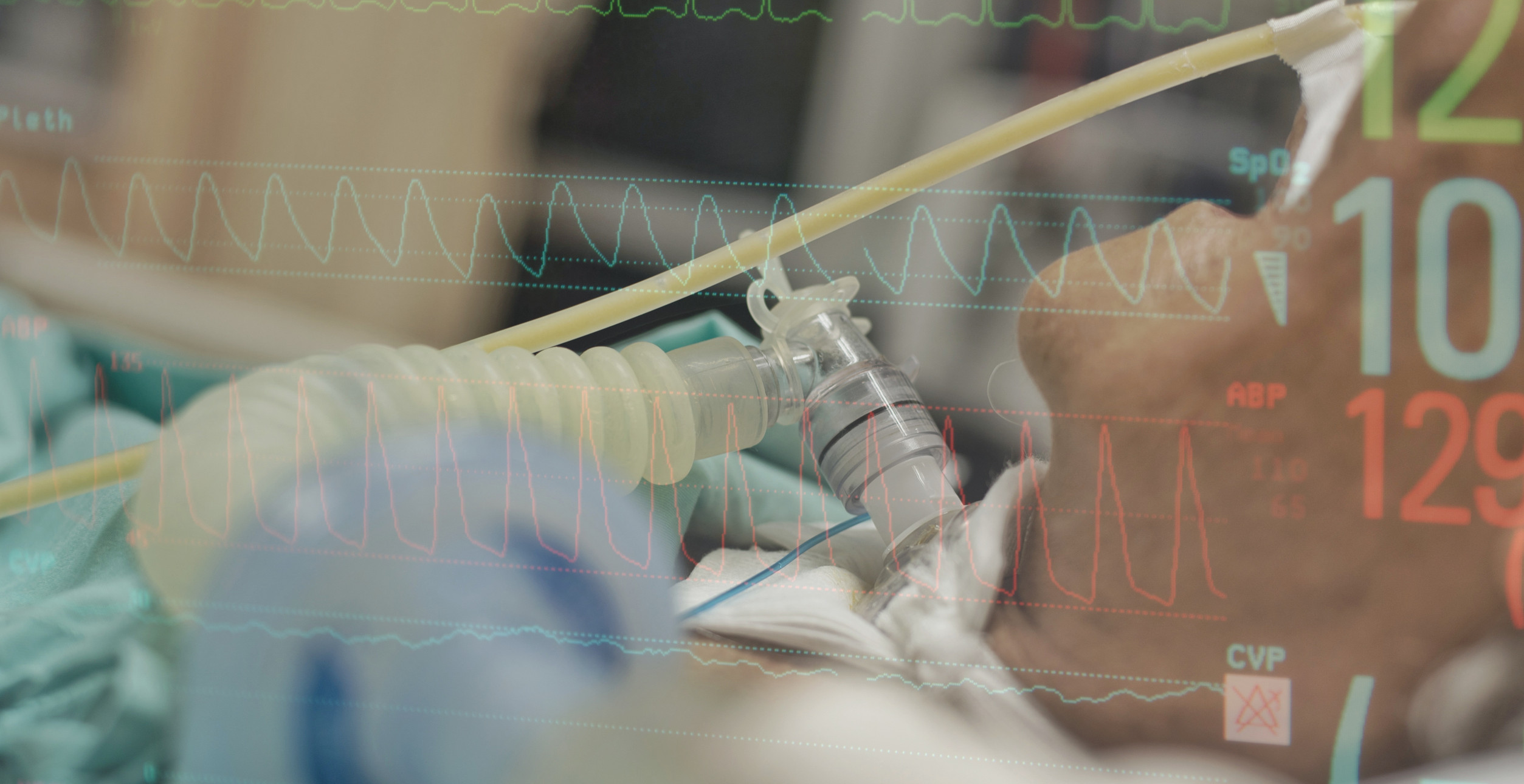
This approximately 10-minute film documents the story of an ICU survivor who developed post-intensive care syndrome, or PICS. It features interviews with clinicians and researchers to explain what PICS is, what causes it, and how to help patients. View the segment at the link below.
|
|
|
|
|

|

|
|
Soak Up Pain With a Sponge?
|
|
Scientists are testing a new “pain sponge” treatment made from lab-grown stem cells that can absorb pain signals in joints before they reach the brain, helping reduce arthritis pain in mice. (Those poor little arthritic mice!) In early experiments, the therapy also appeared to protect and repair joint tissues, offering potential benefits beyond pain relief. The approach is still a long way from human trials, but it could be a promising future therapy.
|
|
|
|
|

|
|
|
|
|
|
Follow Us
Want to join the trauma care conversation?
Follow Us on Facebook, Instagram, and X.
|

|
|
|
|
|

|
|
TCAR
Education Programs
tcarprograms.org
info@tcarprograms.org
Office: (503) 608-4900
International Toll-Free: +1 800-800-2015
|
|
|
|
Copyright © 2026 TCAR Education Programs. All rights reserved.
You are receiving this email because you opted in by purchasing or registering for a
course or subscribing to our newsletter on our website.
Want to change how you receive these emails?
You can
update
your preferences or
unsubscribe
|


