|
|

|
|
View in browser
|
Putting the "EYE" in ICP Monitoring
02/17/2026
|
|
IT’S TRAUMA TUESDAY is
a Free Weekly Newsletter
Brought to you by
TCAR
Education Programs
|
|
For nurses and other clinicians
practicing anywhere
along the trauma care
spectrum
|
|
|
|
|
|
Take a quick test of your trauma care
knowledge
|

|

|

|
|
|
|
Article of the Week
Can You Measure ICP With an Ultrasound Probe on the Eyeball?
|

|
|
This week’s scoping review examined whether bedside ultrasound measurement of the optic nerve sheath diameter (ONSD) could accurately estimate ICP in adults with traumatic brain injury (TBI). Good news! Across 16 studies, ONSD measurements closely correlated with traditional, invasive ICP measurements that require ICU care and drilling a hole in the patient’s head. The takeaway is that ONSD ultrasound may soon be available at the bedside, which could promote earlier identification of bleeding or worsening cerebral edema. This information could prompt faster escalation of care (such as notifying the provider, optimizing positioning, and preparing for advanced interventions). Click the link to view the article or watch a short AI-generated article summary (6 min 20 sec).
|
|
|
|
Martínez-Palacios K, Vásquez-García S, Fariyike OA, Robba C, Rubiano AM. Using Optic Nerve Sheath Diameter for Intracranial Pressure (ICP) Monitoring in Traumatic Brain Injury: A Scoping Review. Neurocrit Care. 2024;40(3):1193-1212.
|
|
|
|
Trauma Happenings
FREE: The Essential Pediatric Respiratory Care Bundle
|

|
|
Brush up on your pediatric respiratory support knowledge to better prepare for your next little patient. For a limited time, the American Association of Critical-Care Nurses (AACN) is offering the 4-part course, Essential Pediatric Respiratory Care Bundle. It’s free to all nurses, and you can receive 3.5 CNEs, but this offer is only available through Feb 28th. Click the link to register.
|
|
|
|
|

|

|
|
Austin, Here We Come!
|
|
TraumaCon, hosted annually by the Society of Trauma Nurses, is the country’s largest gathering of trauma nurses. TraumaCon 2026 will be held in Austin, Texas, April 15-17. Hear presentations from the world’s top trauma nurses on current and timely topics, including clinical practice, program management, research, education, and injury prevention. You’ll also have the opportunity to network with peers, rub elbows with product vendors (including TCAR Education Programs), and hang out in Austin, one of Texas’s most popular destinations. For more information, click the link.
|
|
|
|
|

|
|
|
How Many Organs Can You Lose and Still Survive?
|
|
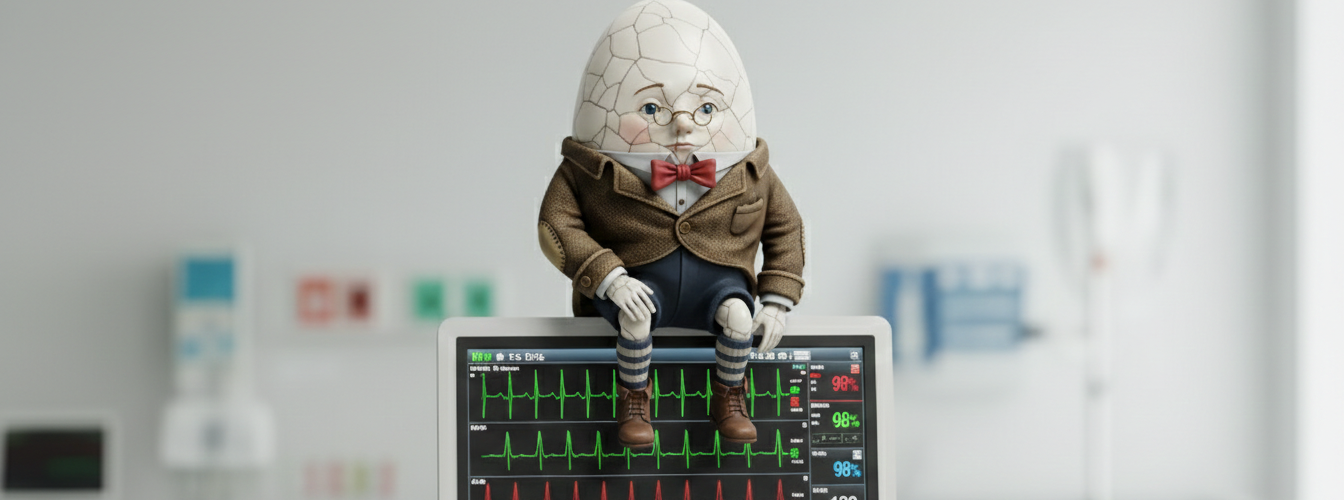
This Live Science report highlights the five organs essential to sustaining life: the brain, heart, lungs, liver, and kidneys. Recent technological advances, such as renal replacement therapy and extracorporeal membrane oxygenation (ECMO), enable clinicians to temporarily take over certain organ functions. These treatments can serve as a bridge to more definitive solutions, such as permanent treatments or organ transplantation. Currently, the brain and liver cannot be replaced mechanically. Although trauma nurses understand that merely surviving does not guarantee a meaningful life, this article demonstrates how far modern medicine can go to prolong and reconstruct lives after severe injury. Read more at the link below.
|
|
|
|
|

|
|
|
|
|
|
Follow Us
Want to join the trauma care conversation?
Follow Us on Facebook, Instagram, and X.
|

|
|
|
|
|

|
|
TCAR
Education Programs
tcarprograms.org
info@tcarprograms.org
Office: (503) 608-4900
International Toll-Free: +1 800-800-2015
|
|
|
|
Copyright © 2026 TCAR Education Programs. All rights reserved.
You are receiving this email because you opted in by purchasing or registering for a
course or subscribing to our newsletter on our website.
Want to change how you receive these emails?
You can
update
your preferences or
unsubscribe
|


